

प्रस्तावना (Introduction)
आज का समय सिर्फ “मेहनत” का नहीं, बल्कि “सही direction में focused मेहनत” का समय है। Job market तेज़ी से बदल रहा है, skills लगातार update हो रही हैं, और digital दुनिया में हर field में competition बढ़ चुका है।
एक वैश्विक रोजगार रिपोर्ट के अनुसार employers मानते हैं कि 2030 तक workers की core skills का बड़ा हिस्सा बदल जाएगा, जबकि skills-first hiring पर एक अंतरराष्ट्रीय नीति रिपोर्ट यह भी बताती है कि आज के labour market में लगातार learning, skill visibility और adaptability पहले से ज़्यादा महत्वपूर्ण हो चुकी है। ऐसे माहौल में केवल “मैं सब कुछ कर सकता हूँ” कहना काफी नहीं है ; लोगों को जल्दी समझ में आना चाहिए कि आप किस समस्या के expert हैं और किस audience के लिए सबसे ज़्यादा useful हैं।
Niche का मतलब खुद को सीमित करना नहीं, बल्कि खुद को स्पष्ट, यादगार, और उपयुक्त (Relevant) बनाना है। जब आपका focus साफ होता है, तो आप सही लोगों तक पहुँचते हैं, अपनी value बेहतर तरीके से दिखाते हैं, Trust जल्दी बनाते हैं, और Crowded market में अलग नज़र आते हैं। व्यापार और career guidance से जुड़े कई स्रोत यह दिखाते हैं कि Niche clarity बेहतर differentiation, loyal audience, efficient marketing, और sustainable growth में मदद करती है।
अगर आप एक छात्र हैं, Freelancer हैं, Content creator हैं, Teacher हैं, Coach हैं, या किसी Profession में अपनी पहचान बनाना चाहते हैं, तो यह ब्लॉग आपके लिए है। यहाँ आप जानेंगे कि Niche क्या है, आज इसकी ज़रूरत क्यों बढ़ गई है, इसे चुनते समय किन बातों का ध्यान रखना चाहिए, किन गलतियों से बचना चाहिए, और इसे Practically कैसे Test करना चाहिए। यहाँ simple examples के साथ समझाया गया है ।
Niche क्या है ?
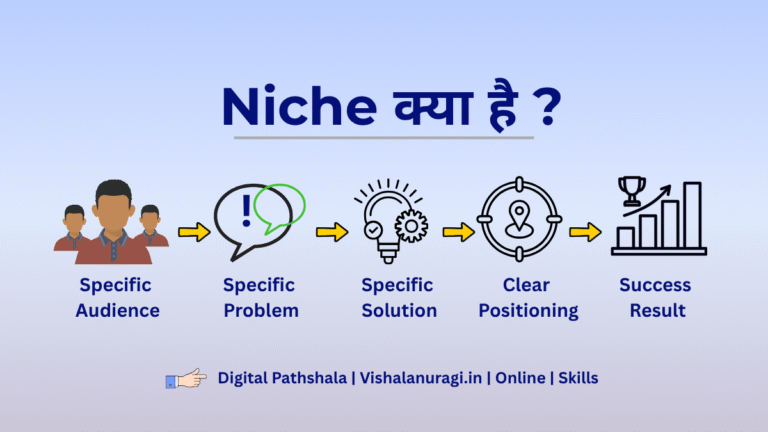
सरल भाषा में, Niche किसी बड़े market, profession, या audience के भीतर एक विशेष और focused क्षेत्र होता है, जहाँ लोगों की कुछ specific जरूरतें, preferences, problems, या goals होते हैं। Business education और marketing sources niche को broadly एक ऐसे focused segment के रूप में define करते हैं, जो किसी specific offering को चाहता है; career guidance sources इसे विस्तृत बाजार के भीतर specialized area मानते हैं जहाँ व्यक्ति या brand competition से अलग दिख सकता है।
इसे एक आसान formula से समझिए:
Niche = Specific Audience + Specific Problem + Specific Solution + Clear Positioning।
सही Niche वहाँ बनता है जहाँ किसी group की जरूरतें पूरी तरह serve नहीं हो रहीं, या जहाँ mass-market solution बहुत generic लग रहा हो। यही वजह है कि businesses और professionals niche दोनों “सबके लिए” नहीं, बल्कि “सही लोगों के लिए” ही बेहतर बनते हैं।
Niche को समझने के लिए सिर्फ subject जानना काफी नहीं है; audience को layers में समझना भी ज़रूरी है। Market segmentation guidance के अनुसार audience को Demographic factors जैसे age, income, education, location; Psychographic factors जैसे values, goals, lifestyle, beliefs; Behavioral factors जैसे buying habits, loyalty, usage patterns; और कुछ Contexts में Geographic या Firmographic factors के आधार पर समझा जा सकता है। इसका अर्थ यह है कि Niche सिर्फ “Topic” नहीं होता, बल्कि “Topic + किसके लिए + किस Context में” का Combination होता है।
एकदम आसान example से समझिए।
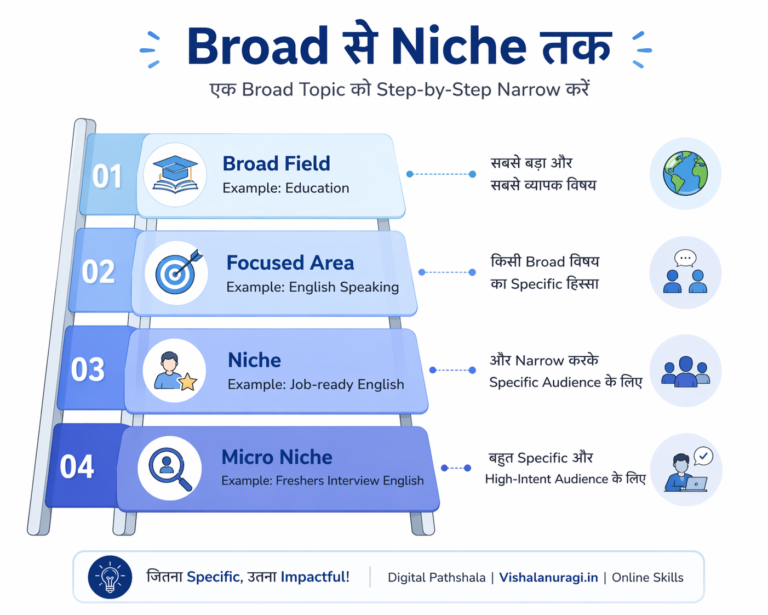
“Education” बहुत broad field है।
“English speaking” उससे थोड़ा narrow है।
“Hindi-medium college students के लिए job-ready English speaking” Niche है,
और “Final-year B.Com students के लिए interview-focused English speaking” micro-niche के करीब पहुँच जाता है।
यही logic दूसरे professions पर भी लागू होता है। “Graphic designer” broad है, लेकिन “small cafes के लिए menu and brand design specialist” niche है। “Fitness coach” broad है, लेकिन “busy college girls के लिए home workout coach” niche है।
Broad identity भीड़ में खो सकती है; Niche identity याद रहती है।
आज के दौर में Niche क्यों ज़रूरी है ?
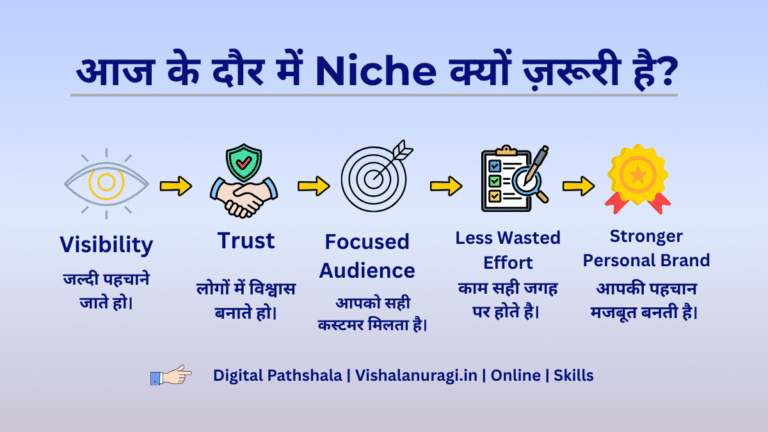
पहला कारण है Visibility : आज Niche की सबसे बड़ी ज़रूरत Visibility है। जब आप बहुत Broad तरीके से खुद को present करते हैं, तो लोग आपको याद नहीं रखते। लेकिन जब आपका focus clear होता है, तो आपका message, content, offer, और communication ज्यादा relevant हो जाता है। Niche marketing guidance यह बताती है कि focused audience होने पर marketing अधिक efficient होती है, budget सही channels और communities तक जाता है और loyalty भी मजबूत हो सकती है। इसी clarity की वजह से differentiation भी आसान होता है।
दूसरा कारण है Credibility: जब आप किसी specific problem का specialist बनते हैं, तो लोग आपको “general option” नहीं, बल्कि “go-to option” मानने लगते हैं। Niche research यह बताती है कि niche को अच्छी तरह समझने से आप audience की unique needs के मुताबिक products, services और messaging बना सकते हैं, trust build कर सकते हैं, larger competitors से बराबरी (Compete) कर सकते हैं, और अपनी category में stronger authority बना सकते हैं।
तीसरा कारण है तेज़ी से बदलता skill landscape: Career advice sources बताते हैं कि specialist बनने से खासकर technical fields में marketability बढ़ सकती है। दूसरी तरफ labour-market reports यह भी चेतावनी देती हैं कि skills के तेज़ बदलते माहौल में continuous learning और foundational skills बहुत ज़रूरी हैं। इसका मतलब यह नहीं कि आपको केवल specialist ही बनना है; बल्कि यह कि आपको अपनी broad base के ऊपर एक visible specialization बनानी है।
युवा छात्रों के लिए practical takeaway यह है कि आज की best strategy अक्सर “broad foundation + deep niche” बनती है। यानी communication, problem-solving, digital literacy, research, writing, collaboration जैसी foundational skills रखें; लेकिन साथ में एक ऐसा niche भी बनाइए जिससे लोग तुरंत समझ जाएँ कि आप किस कार्यक्षेत्र (Domain), किस audience या किस नतीजे (Outcome) के लिए जाने जाते हैं। यह बदलती skills, specialization की marketability, और continuous learning की जरूरत का परिणाम है।
सही Niche चुनने का Practical Framework

अलग-अलग professions के examples
सही Niche चुनना guesswork नहीं होना चाहिए। यह एक thoughtful process है जिसमें self-awareness, market research, audience understanding, और real-world testing शामिल होते हैं। Career और business guidance को मिलाकर देखें तो अच्छा niche वहां होता है जहाँ आपकी strengths, audience की problem, market demand, और टिकाऊ स्थिति निर्धारण (sustainable positioning) एक-दूसरे से मिलते हैं।
सबसे पहले अपनी interests, strengths, values और existing skill-set (मौजूदा कौशल-सेट) की mapping कीजिए। Career planning guidance के अनुसार सही direction चुनने के लिए values, interests, strengths, personality, experience, और specialist बनना चाहते हैं या नहीं—इन सभी बातों पर चिंतन करना (Reflect) करना चाहिए। इसी तरह niche selection guidance भी यही कहती है कि अपने interests और strengths के overlap को देखना useful होता है।
इसलिए खुद से पूछिए:
मुझे किस तरह का काम naturally पसंद आता है?
मैं किस काम में दूसरों से बेहतर हूँ?
लोग मुझसे किस चीज़ में help माँगते हैं?
मैं किस subject पर लंबे समय तक काम कर सकता हूँ?
इसके बाद उस audience को define कीजिए जिसे आप serve करना चाहते हैं। यह step बहुत लोग skip कर देते हैं। वे subject चुन लेते हैं, लेकिन audience नहीं चुनते। जबकि niche तभी clear होता है जब आप जानें कि आप किसके लिए काम कर रहे हैं। Audience को demographic, psychographic, behavioral और geographic lenses से देखिए। Example: “students” कहना broad है, लेकिन “small-town Hindi-medium commerce students जो job interviews के लिए practical English सीखना चाहते हैं” कहना clear है। Audience जितनी स्पष्ट होगी, आपका content, offer, pricing, और messaging उतने ही effective होंगे।
अब demand, competition और unmet gap validate (अधूरी कमी की पुष्टि ) कीजिए। Market research guidance साफ़ कहती है कि market research आपको customers खोजने में मदद करती है, और competitive analysis आपको unique advantage खोजने में मदद करती है। Niche selection articles भी recommend करती हैं कि आप online demand, communities, forums, trend signals, competitor offerings, और unmet needs को समझें।
आसान भाषा में: क्या लोग इस problem के लिए solution ढूँढ रहे हैं? क्या already competitors हैं? अगर हैं तो आप कैसे अलग होंगे? क्या market बहुत crowded है या इतना छोटा है कि sustainable (टिकाऊ) ही नहीं है ?
फिर feasibility (संभाव्यता) और monetization check कीजिए। हर passion business या profession नहीं बनता। Career guidance यह भी कहती है कि हर interest long-term sustainable नहीं होता, इसलिए practicaly देखना ज़रूरी है। आपको सोचना होगा: इस niche में earning model क्या होगा? Clients online मिलेंगे या offline? Audience students है, professionals हैं, businesses हैं या agencies? यह problem one-time है या recurring? क्या लोग इसके लिए pay करेंगे? सही niche वही है जिसमें meaning भी हो और money की संभावना भी।
इसके बाद छोटा experiments करके idea test कीजिए। Niche selection guidance trial period, USP (Unique Selling Proposition) development, landing page, feedback gathering, और छोटे experiments की सलाह देती है। इसका मतलब यह है कि final jump मारने से पहले एक mini version launch करें। जैसे 5 लोगों के लिए workshop लें, 10 sample posts create करें, एक simple service page बनाएं, कुछ लोगों से feedback लें, या low-cost pilot offer करें। अगर response अच्छा है, तो आगे बढ़िए; अगर नहीं, तो niche, audience, offer या message refine कीजिए।
सबसे महत्वपूर्ण balance यह है कि niche बहुत narrow न हो जाए। Skills-first labour market पर policy guidance यह चेतावनी देती है कि अगर skills बहुत narrow हो जाएँ, तो future mobility और changing market needs के साथ adapt करना मुश्किल हो सकता है। इसलिए niche चुनते समय अपनी core positioning focused रखें, लेकिन foundational और transferable skills को alive रखें। यानी आप “एक समस्या के specialist” बनें, “एक ही tool के कैदी” नहीं।
अगर इसे एक practical formula में बदलें, तो strong Niche अक्सर इस तरह बनता है:
Interest + Strength + Audience Need + Market Demand + Distinct Positioning + Sustainability।
जहाँ ये छह चीज़ें मिलती हैं, वहीं आपका best-fit niche बनने की संभावना सबसे अधिक होती है।
Niche को समझने का सबसे आसान तरीका है इसे एक sentence में express करना:
“मैं किसके लिए, कौन-सी समस्या, किस परिणाम के साथ solve करता हूँ?”
इसी approach से niche clearer बनता है और communication आसान हो जाता है।
मान लीजिए एक student content creator कहता है, “मैं education content बनाता हूँ।” यह broad identity है। लेकिन अगर वही कहे, “मैं Hindi-medium science students के लिए difficult numericals को easy language में explain करता हूँ,” तो उसका niche instantly clear हो जाता है। दूसरे student के लिए niche हो सकता है: “मैं freshers को resume, interview और internship readiness सिखाता हूँ।” दोनों education में हैं, लेकिन दोनों की audience और problem अलग है।
एक freelance designer अगर खुद को सिर्फ “logo designer” कहता है, तो वह भीड़ का हिस्सा लगता है। लेकिन अगर वह कहे, “मैं local food brands और small cafes के लिए simple visual identity, menu layout और social media creative बनाता हूँ,” तो उसके niche में clarity, audience fit, और positioning दिखने लगती है। अब client को समझने में समय नहीं लगता कि वह किस तरह की help offer कर रहा है।
एक software learner अगर कहे, “मैं coding जानता हूँ,” तो message अधूरा है। लेकिन अगर वह कहे, “मैं small businesses के repetitive tasks automate करने के लिए no-code systems बनाता हूँ,” या “मैं teachers और coaches के लिए simple learning websites बनाता हूँ,” तो उसकी specialization तुरंत usable लगती है। यही niche communication की power है।
एक fitness coach अगर सिर्फ “weight loss coach” कहे, तो market बहुत broad हो सकता है। लेकिन “busy college students के लिए hostel-friendly workout plans” या “beginners के लिए home-based mobility routines” जैसी positioning specific जरूरत को target करती है। Specificity ही relevance बनाती है।
Niche चुनते समय होने वाली 06 common mistakes
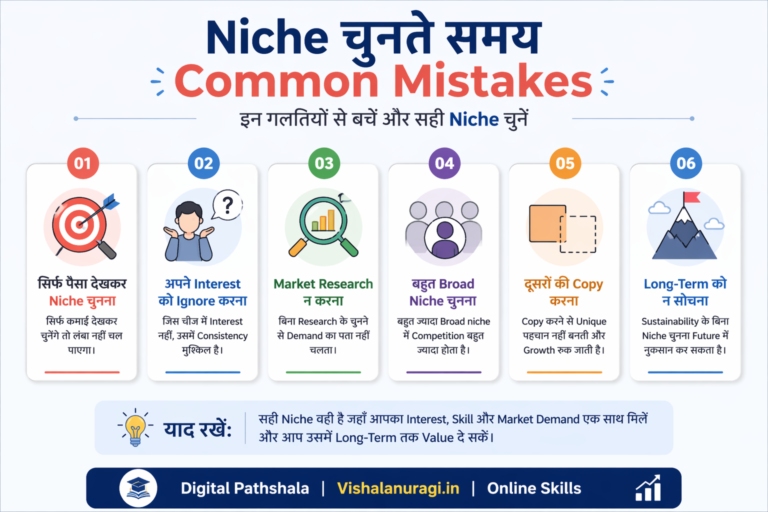
Niche का चुनाव करते समय निचे दी गई गलतियों से बचे और सही Niche चुने :-
पहली गलती है सिर्फ trend देखकर niche चुनना: सिर्फ trend देखकर niche चुनना short-term सोच है। Trending topics जल्दी बदलते हैं, जिससे consistency और long-term growth प्रभावित होती है। उदाहरण: किसी viral topic पर channel शुरू करना लेकिन trend खत्म होते ही audience खो देना। सही तरीका है trend + interest + demand को balance करके niche चुनना।
दूसरी गलती है सिर्फ passion देखकर niche चुनना: केवल passion के आधार पर niche चुनना risky हो सकता है क्योंकि हर passion profitable नहीं होता। अगर market demand नहीं है, तो growth और earning मुश्किल हो जाती है। उदाहरण: rare hobby पर content बनाना लेकिन audience कम होना। सही तरीका है passion के साथ market demand भी check करना।
तीसरी गलती है बहुत broad niche रखना: बहुत broad niche रखने से आपकी identity clear नहीं बनती और competition बहुत ज्यादा होता है। इससे audience confuse होती है कि आप किसके लिए content बना रहे हैं। उदाहरण: सिर्फ “Education” niche बहुत बड़ा है। बेहतर है इसे narrow करके specific audience के लिए focused niche चुना जाए।
चौथी गलती है बहुत छोटा niche चुन लेना: बहुत ज्यादा narrow niche चुनने से audience बहुत सीमित हो जाती है, जिससे growth और reach कम हो सकती है। उदाहरण: “Class 10 Hindi Chapter 1 Explanation” जैसे बहुत specific topic पर सीमित audience मिलती है। सही तरीका है balanced niche चुनना जिसमें growth की scope बनी रहे।
पाँचवीं गलती है testing के बिना final निर्णय ले लेना : बिना testing किए niche final करना एक बड़ी गलती है। इससे पता नहीं चलता कि audience response कैसा है। उदाहरण: बिना content upload किए niche decide कर लेना। सही तरीका है 10–15 content बनाकर testing करना और फिर data के आधार पर final decision लेना।
छठी गलती है market बदलने के बाद भी niche को update न करना: Guidance साफ़ कहती है कि niche को trends, feedback, demand और SWOT (S – Strengths (ताकत), W – Weaknesses (कमज़ोरियाँ), O – Opportunities (अवसर), T – Threats (खतरे) thinking के साथ समय-समय पर adjust करना चाहिए।
इसलिए याद रखिए: Niche कोई जेल नहीं, एक evolving strategy है। शुरुआत में perfect niche नहीं मिलता; अक्सर version 1 से शुरू करके, feedback और experience से version 2 और version 3 तक पहुँचना पड़ता है। यही practical growth path है।
निष्कर्ष (Conclusion)
Niche चुनना अपने options कम करना नहीं, बल्कि अपनी value को strong बनाना है। आज के competitive और fast-changing दौर में वही लोग जल्दी पहचाने जाते हैं जो अपनी skills को किसी clear audience, clear problem, और clear result से जोड़ पाते हैं। सही approach यह नहीं कि आप खुद को बहुत narrow कर लें; सही approach यह है कि आप मजबूत foundational skills के साथ एक visible specialization बनाएं, उसे real market में test करें, feedback लें, और समय के साथ refine करें। आसान शब्दों में: पहले clarity, फिर consistency, फिर credibility—यही Niche growth का रास्ता है।
FAQ : बार-बार पूछे जाने वाले सवाल
1. क्या student को शुरुआत में final niche चुन लेना चाहिए?
नहीं। शुरुआत में आपको “final” niche नहीं, बल्कि “working niche” चुनना चाहिए। छोटे experiments, content, projects, internships, और feedback के आधार पर niche refine करना ज्यादा practical approach है। Testing और revision niche strategy का हिस्सा है, गलती नहीं।
2. क्या Niche सिर्फ business के लिए होता है?
नहीं। Niche business, freelancing, teaching, content creation, consulting, coaching, और job careers—सभी में उपयोगी है। यह आपकी specialization, audience fit, और differentiation को clear करता है, जिससे trust और marketability दोनों बढ़ सकती हैं।
3. Broad skills और niche skills में balance कैसे रखें?
सबसे अच्छा balance यह है कि communication, research, digital literacy, problem-solving जैसी foundational skills broad रखें, लेकिन एक visible domain specialization भी बनाएं। बदलते labour market में transferable skills जरूरी हैं, पर focused expertise आपकी पहचान को मजबूत बनाती है।
4. अगर मेरा niche बहुत छोटा निकल जाए तो क्या करें?
तब niche को पूरी तरह छोड़ने की बजाय उसे एक layer widen करें। आप audience broaden कर सकते हैं, offer expand कर सकते हैं, geography बदल सकते हैं, या problem statement थोड़ा broader कर सकते हैं। Guidance यह भी कहती है कि niche इतना छोटा नहीं होना चाहिए कि वह sustainable ही न रहे।
5. मुझे कैसे पता चले कि niche बदलने का समय आ गया है?
अगर demand बहुत कम है, audience response कमजोर है, आपकी रुचि खत्म हो रही है, competitors के बीच आपका differentiation नहीं दिख रहा, या market trends बदल चुके हैं, तो niche reposition करने का समय हो सकता है। Trend monitoring, competitor research, feedback, और periodic analysis niche strategy को बेहतर बनाए रखते हैं।
अधिक जानकारी पाने के लिए और Step-by-Step  Free में सीखने के लिए यहाँ क्लिक करें : https://vishalanuragi.in/blog/ और अपना फीडबैक कम्मेंट बॉक्स में शेयर करें, आपका feedback हमें और बेहतर जानकारी आप तक पहुंचाने के लिए हमें प्रोत्साहित करता है।